Using EBAY To Compromise Your Home Router For Fun and Profit
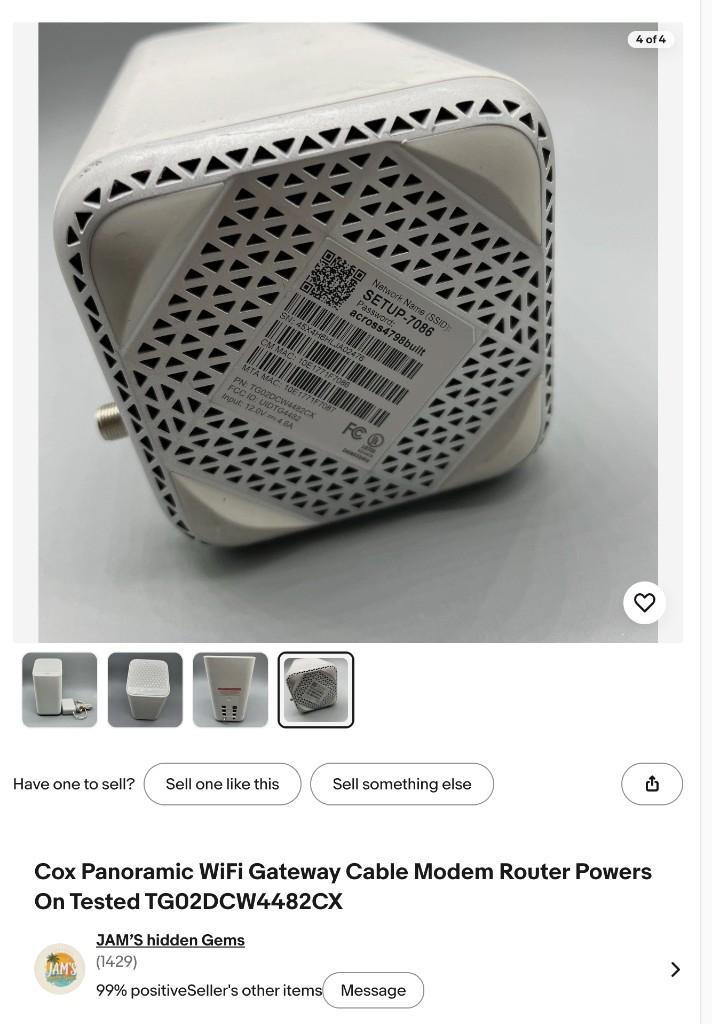
I started this project in late 2024 when I moved into new apartment and realized that, for the foreseeable future, I was stuck with COX home internet. During the sign up, I opted to use my own router and save some money.
Three days later, an installer showed up at my door and told me that he was here to install my new “COX Panoramic WiFi” router.
Very fancy. I decided that was fine, as long as I wouldn’t be charged extra for it.
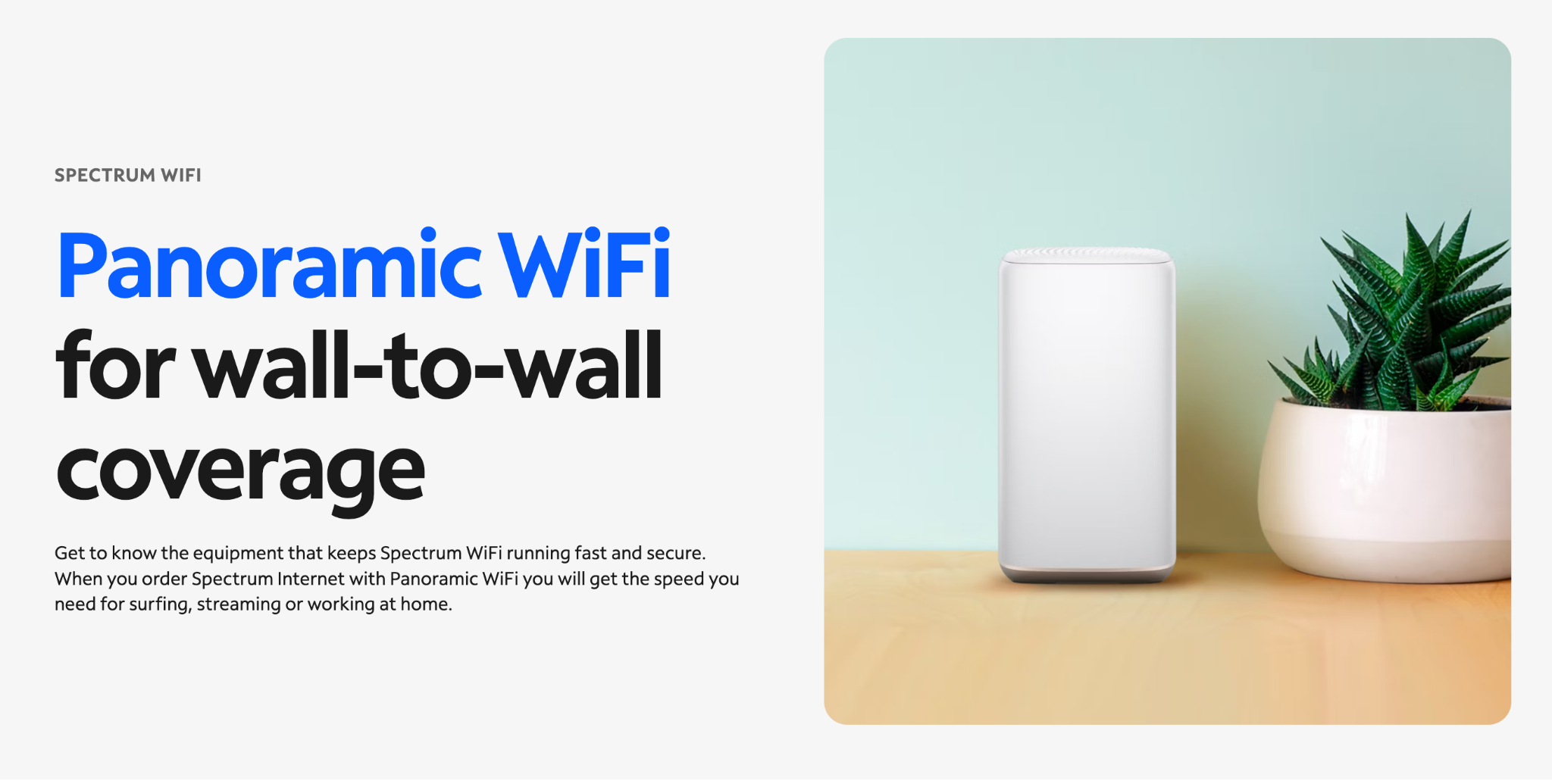
The guy came into the apartment, plugged the router into the wall, and told me I was good to go! He said “the password is on the bottom of the box, if you forget it.”
My password for my router was “amount1890bacon”
I’m a curious person and I’m always eager to have new hardware I can poke at. I decided that I was going to do everything I could to break into this router before I took any steps to secure it.
I did all the standard stuff. I tried a WPS Pixie Dust attack, a PIN brute force attack, etc. No luck there.
Next, I sniffed the traffic until I received a four-way handshake and extracted the hash. I ran the hash against all the standard wordlists without any luck. Of course. A password like “amount1890bacon” wouldn’t be in any of the normal wordlists. It looked to be randomly generated.
I started thinking about that password. It looks like a pretty standard setup. Two words pulled from a dictionary with a four digit number in between.
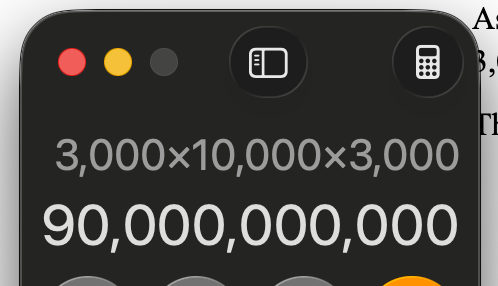
Assuming a normal 3000 word simple english dictionary we get 3,000 words times 10,000 numbers times 3,000 words for a total of 90 BILLION possible combinations.
That’s a lot of combinations.
An average gaming computer can guess 950,000 WPA2 passwords per second. With 90 billion possibilities, it would take an average of 13 hours to guess a password. That wasn’t good enough for me.
I decided to start looking to see if I could reduce that number of possible combinations.
The first thing I did was check to see if all of the potential words were five or six letters long. If so, that would greatly reduce the number of possibilities.
I didn’t have enough friends with Panoramic WiFi routers to form any conclusions, so I went to the hacker’s paradise: EBAY.
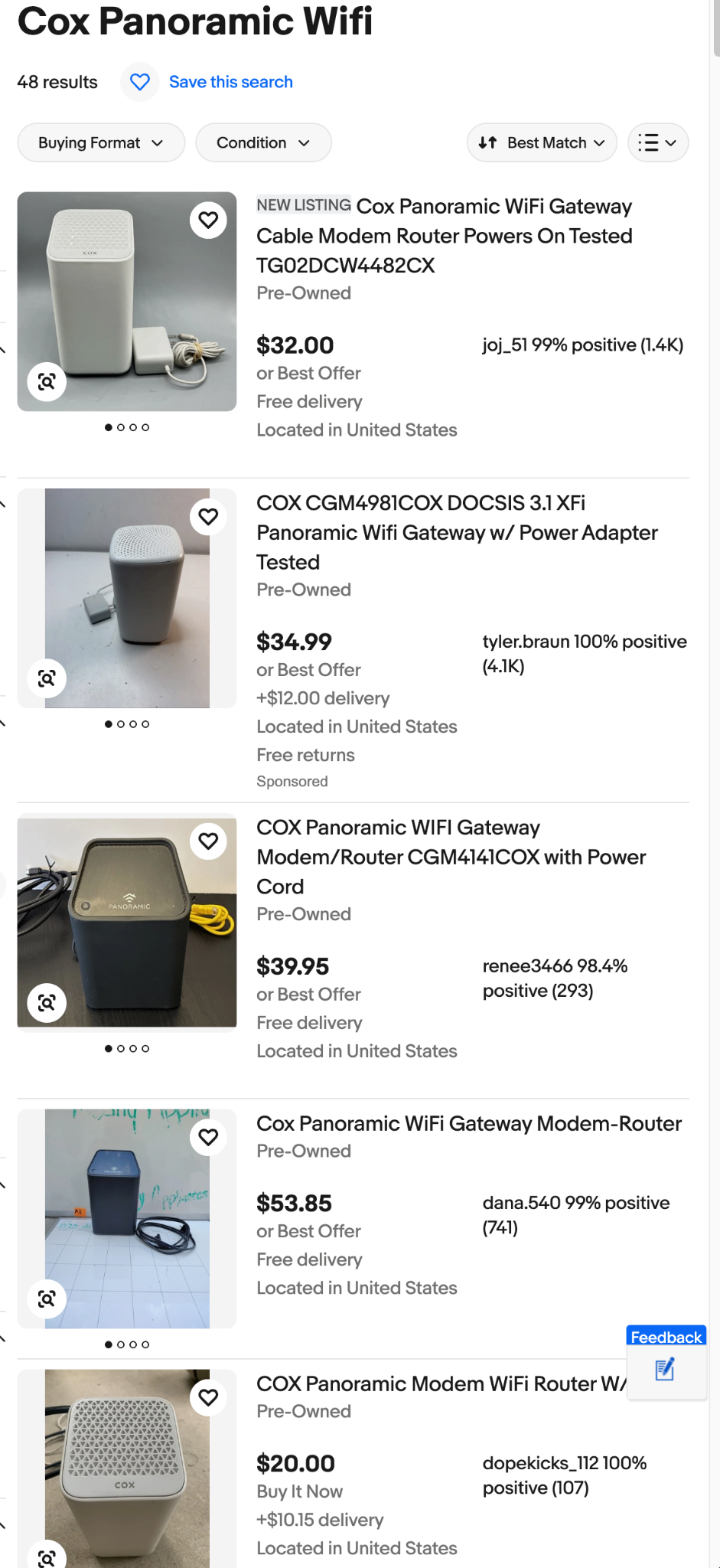
I found out quickly that most online listings contained photos of the bottom of the router (and therefore contained the default password)
I started compiling these passwords into an excel sheet.
By the time I collected my first 60 words, I had noticed a few things:
- Every word was either 5 or 6 characters long
- Every word was simple english
- Every word started with letters A through H
And even more concerning was the fact that I was catching a surprising number of duplicates.
You can estimate the size of a population by counting the number of duplicate entries you find along the way using a concept called the coupon collector’s problem. Imagine a coupon collector trying to collect all the coupons (words). She can use statistical analysis to determine with a high degree of precision how many coupons are left to collect. I estimated my total number of words to be around 200.
I kept collecting. I found out that the same password generation scheme was shared by several router models across several ISP including Xfinity, Rogers, Shaw, and now Spectrum.
- Technicolor CGM4141
- Technicolor CGM4981
- Technicolor CGM4331
- Xfinity XB6
- Xfinity XB7-T
- Xfinity XB8-T
- Arris TG1682G (only when provided by Xfinity)
I scoured Facebook Marketplace, OfferUp, Ebay, French Ebay, Canadian Ebay, Yahoo Auctions, etc etc. I ended up finding 185 unique words.
- about
- bacon
- bring
- check
- crumbs
- energy
- across
- badge
- brook
- cheer
- crunch
- engine
- action
- bagel
- brush
- cheery
- curve
- enter
- advice
- baked
- bucket
- chord
- daily
- entire
- again
- baking
- buckle
- chore
- dairy
- equal
- agree
- banana
- build
- chores
- daisy
- escape
- ahead
- basic
- built
- chose
- dance
- event
- aisle
- basket
- button
- chosen
- degree
- factor
- alert
- beard
- cabin
- chunk
- delay
- famous
- alley
- become
- cactus
- circle
- depend
- fancy
- allow
- begin
- called
- cities
- design
- fasten
- always
- being
- camel
- class
- detail
- faucet
- amaze
- below
- camera
- clear
- diesel
- favor
- amount
- berry
- canal
- clever
- dimmed
- feast
- anchor
- beside
- candid
- coast
- diner
- fence
- angle
- better
- canvas
- cocoa
- dinner
- field
- animal
- block
- career
- collar
- dough
- filter
- answer
- bloom
- carmel
- column
- dozed
- finish
- anyone
- board
- carpet
- common
- drain
- flight
- anyway
- boast
- castle
- copied
- dried
- flower
- appear
- bonus
- cattle
- corral
- drink
- folded
- apple
- booth
- caught
- cough
- eagle
- follow
- apron
- bored
- cause
- count
- earth
- forest
- arctic
- borrow
- celery
- county
- easier
- garden
- around
- bottle
- cellar
- course
- effect
- gather
- arrive
- brace
- center
- court
- eight
- guitar
- arrow
- bread
- chance
- cover
- eighty
- happen
- attic
- breezy
- charge
- creak
- elbow
- harbor
- autumn
- brick
- charm
- cream
- elect
- hardly
- award
- bridge
- chart
- create
- eleven
- health
- awhile
- bright
- chase
- crumb
- empty
Here’s how the math works when you know there are 200 words in the wordlist instead of 3,000.
You’ll have 400 million total combinations and a crack time averaging 3 minutes and 31 seconds.
To me, that’s just unacceptable. The majority of consumers do not change the default password. Every cybersecurity professional knows this. The ISPs know this. The “Getting Started” guide does not mention changing your password at all.
If a company is going to rely on randomly generated default passwords, they need to make sure there are enough random combinations available to protect users!
I'm publishing this because I believe consumers should know how easy it is to compromise their devices. I highly /highly/ recommend setting your own secure password. Even adding an extra word to these passwords would make them essentially uncrackable.
I found this exploit in 2024 and spend two years disclosing it to the ISPs involved. It seems as if these same routers with the same password schemes are still being issued to new customers.
All I can say is that it’s a good idea for you to change your default password. If you have Cox Panoramic WiFi or Xfinity X-Fi, your network can be compromised in less than five minutes.